

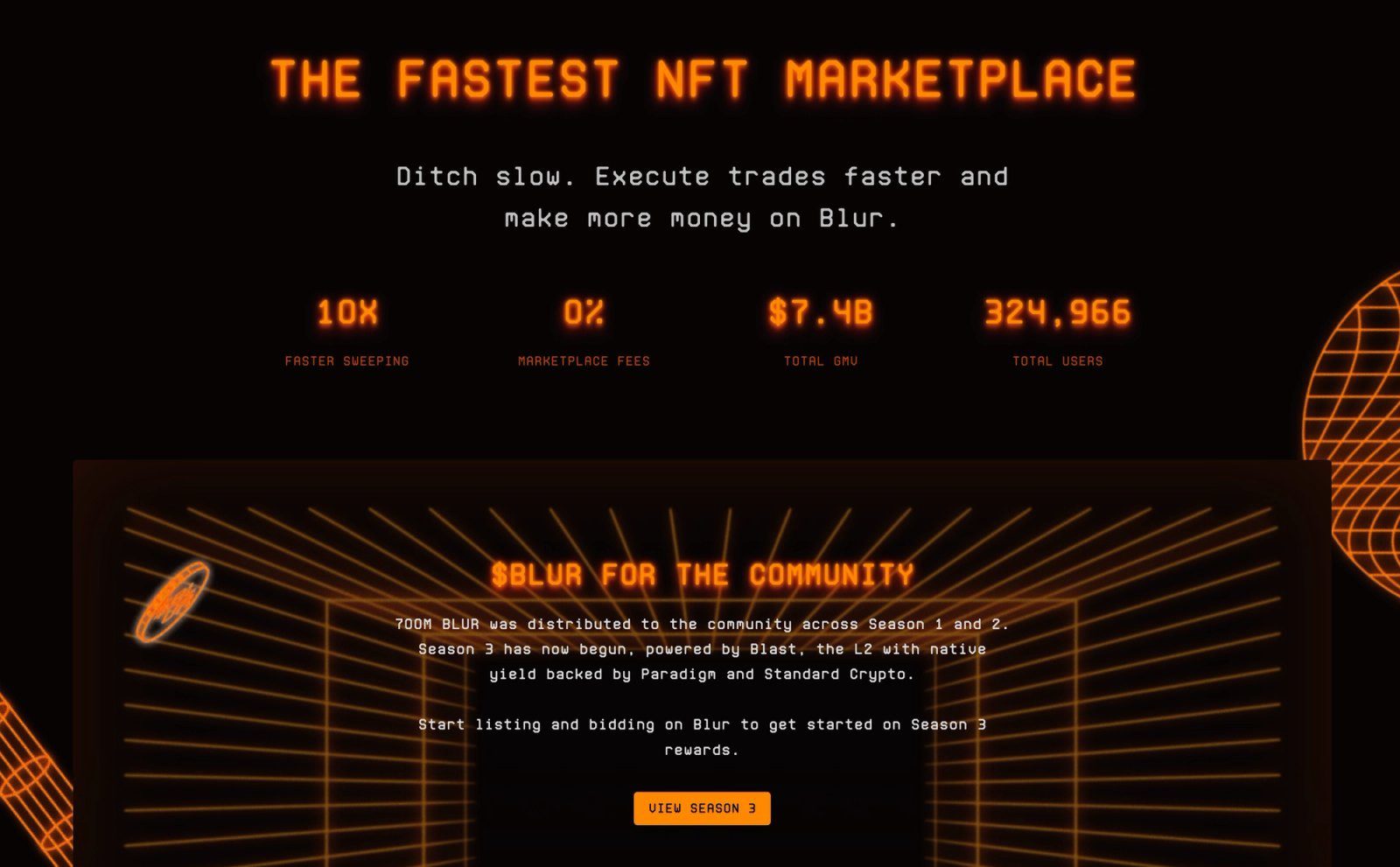
To revoke NFT approvals means canceling the onchain permission that lets a market or different contract switch your NFTs — normally granted with setApprovalForAll while you checklist, bid, or borrow. Disconnecting a dapp in your pockets just isn’t the identical step: ethereum.org is specific that leftover allowances keep lively till you revoke them, with no expiration date. With Blur’s blur.io frontend deprecating on November 12, 2026 (protocol stays onchain; Mix stops matching new loans the identical day), this week is a sensible window to clear Blur, Mix, and different stale market approvals whereas the outdated UI continues to be simple to go away behind.
What an NFT approval truly is
Per Revoke.money’s token-approvals explainer, NFT marketplaces usually depend on limitless assortment approvals (setApprovalForAll) so the operator can switch any token in a set you listed. Restricted per-token approvals exist, however most itemizing flows use the limitless type. As soon as granted, that mapping lives on the NFT contract till you set it again to false — not till you click on “disconnect,” shut a browser tab, or cease utilizing the location.
That’s the possession hygiene drawback behind our tradition essay on forgotten market approvals: the frontend can go darkish whereas the permission stays scorching. The PaymentProcessorV2 exploit and 0xQuit rescue confirmed how stale market operator approvals develop into the assault floor when a contract is abused — revoke first, then reclaim.
Why Blur’s Nov 12 shut is a revoke deadline
Blur’s official October 12, 2026 thread (lined in our Blur shutdown guidelines) mentioned blur.io’s frontend can be deprecated on November 12, 2026, whereas market contracts stay operational on Ethereum, and that Mix would cease matching new loans that very same day. Approvals you granted so Blur or Mix may transfer NFTs don’t auto-expire when the web site goes away. After Nov 12 you possibly can nonetheless revoke onchain, however cleansing up whilst you bear in mind which operators you used — and whereas the location nonetheless hundreds for associated housekeeping — is less complicated than reconstructing a years-old spend checklist later.
Technique 1: Revoke NFT approvals with Revoke.money
Revoke.money is the multi-network instrument listed by ethereum.org for reviewing and canceling approvals. Their very own how-to walks the move with out requiring you to invent pockets menus:
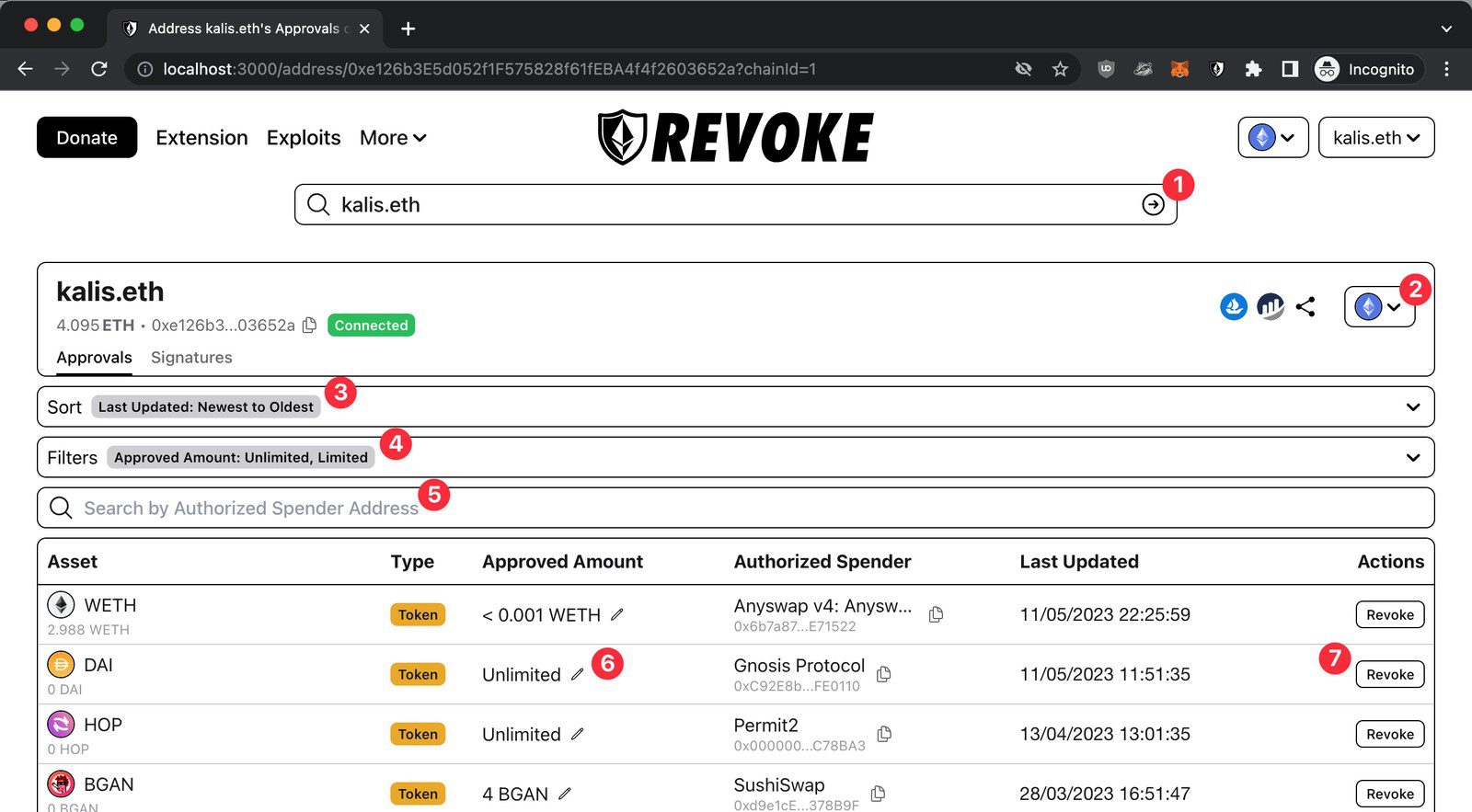
Open revoke.money. Enter your pockets tackle or ENS, or join the pockets that holds the NFTs.
Choose the community (Ethereum mainnet for many Blur/Mix and main market approvals).
Anticipate the approval checklist to load. Type Latest to Oldest should you suspect a nasty signature; in any other case filter or search by spender when you already know the operator.
Discover {the marketplace} or lending spender you now not want — Blur, Mix, Seaport operators, Cost Processor-era contracts, and comparable — and click on Revoke.
Affirm the revoke transaction in your pockets and pay the community charge. Refresh the checklist after it confirms to confirm the row is gone.
Revoke.money additionally helps you to edit an allowance quantity (pencil icon) while you nonetheless want restricted entry; for NFT setApprovalForAll rows you might be normally turning the permission off solely. Revoking doesn’t transfer your NFTs out of your pockets, and ethereum.org notes it doesn’t unwind staking or lending positions by itself — it solely removes the spend permission.
Technique 2: Revoke NFT approvals on Etherscan
If you happen to already reside within the explorer, use Etherscan’s Token Approval Checker (additionally documented by OpenSea’s assist middle and Revoke.money’s Etherscan part):
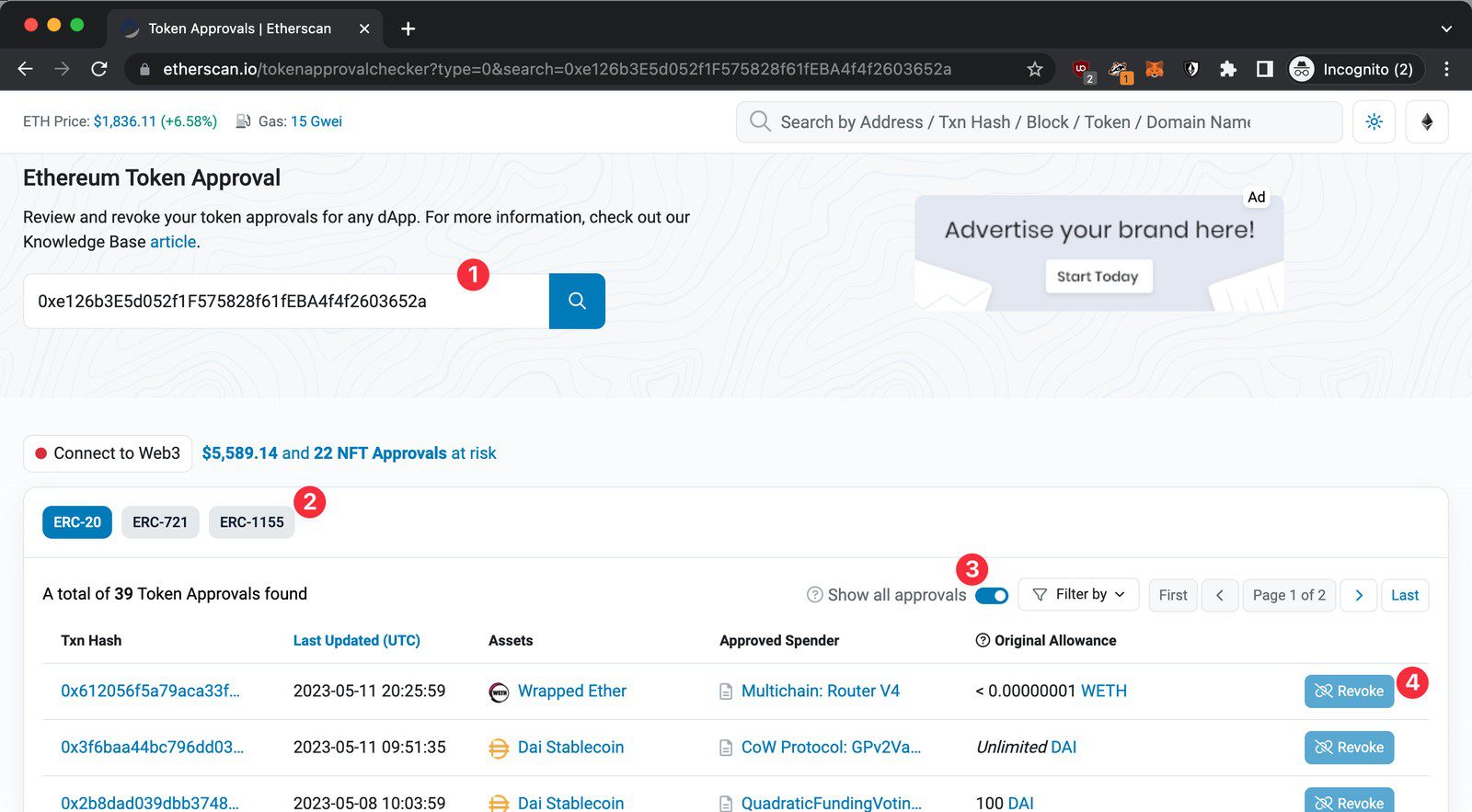
Go to etherscan.io/tokenapprovalchecker (or open Extra → Token Approvals from the Etherscan prime nav).
Enter the pockets tackle that owns the NFTs, or join that pockets.
Open the ERC-721 and ERC-1155 tabs for NFT approvals (use ERC-20 for fungible allowances individually).
Flip Present all approvals so you aren’t a truncated checklist.
Find the spender you wish to reduce, click on Revoke, affirm in your pockets, and pay fuel.
For different chains, Revoke.money’s docs level you to the matching explorer (Polygonscan, BscScan, and so forth) with the identical sample. Keep on with official explorer URLs; shutdown seasons appeal to faux “migration” and “help” pages.
A sensible order of operations this week
Earlier than you revoke Blur/Mix: withdraw ETH from Blur’s bidding pool, cancel open listings/bids, and repay or shut Mix loans whereas blur.io nonetheless helps — see the complete collector guidelines.
Then revoke: clear Blur, Mix, and some other market setApprovalForAll rows you now not use by way of Revoke.money or Etherscan.
If you happen to nonetheless maintain Cost Processor–period approvals: deal with them as excessive precedence; our PaymentProcessorV2 write-up is the case research for why “I listed as soon as years in the past” just isn’t a closed threat.
Ignore chilly DMs and “pressing declare” hyperlinks that seem across the Nov 12 date. Blur’s thread warned about impersonators; nothing within the official announcement requires signing a brand new migration contract to maintain your NFTs.
FAQ from ethereum.org, restated plainly
Is disconnecting my pockets the identical as revoking? No. ethereum.org’s FAQ states that disconnecting leaves token allowances in place; you need to revoke entry individually.
Do approvals expire? No. Permissions can be utilized years after you granted them.
Will revoking break staking, pooling, or loans? ethereum.org says revoking token entry doesn’t terminate these methods by itself — you keep within the place till you exit it by means of the protocol. Individually, if a lending product wanted an NFT approval to grab collateral, revoking after you’ve gotten closed the mortgage is the hygiene step; don’t revoke mid-loan with out understanding the product’s guidelines.
For extra collector how-tos on this cluster, browse our guides. The tradition layer sits in forgotten market approvals; this web page is the screens-free guidelines to behave on earlier than Blur’s frontend goes darkish.
Major sources: ethereum.org — The way to revoke sensible contract entry (up to date Oct 16, 2026); Revoke.money — What Are Token Approvals?; Revoke.money — The way to Revoke Token Approvals; Etherscan Token Approval Checker; OpenSea Assist — revoke approvals on Ethereum; Blur @blur_io Oct 12, 2026 shutdown thread by way of our Blur shutdown protection.


